
Published Work
In our research, we explored how Bartonella spp. infections affect the physiology and behavior of Ixodes scapularis ticks in Nova Scotia. Our findings reveal that infected female ticks show a preference for slightly cooler temperatures compared to uninfected ones. However, overall physiological or behavioral changes were minimal, suggesting that Bartonella spp. infection does not significantly alter tick activity or performance. You can read the full research paper on the following link!
Here is what we did
Innovative Experimental Approach
We designed and implemented temperature gradient assays and behavioral observations to assess how Bartonella spp. infection influences the physiology and behavior of Ixodes scapularis ticks.
Distinct Behavioural Response
Our results showed that Bartonella-infected female ticks exhibit a preference for slightly cooler temperatures compared to their uninfected counterparts, highlighting a measurable shift in thermal behavior.
Minimal Overall Physiological Impact
Despite the subtle temperature preference changes, our findings indicate that the overall activity and physiology of the ticks remain largely unaltered by the infection, suggesting limited impact on tick performance and disease transmission potential.
Why is research into ticks important?
Research on ticks is crucial because these arthropods are primary vectors for numerous pathogens that affect humans, wildlife, and livestock. By understanding tick physiology, behavior, and their interactions with pathogens, we can develop more effective strategies to prevent and control tick-borne diseases. Additionally, as climate change and environmental factors alter tick distributions and activity, ongoing research is essential to anticipate emerging health risks and safeguard public health.
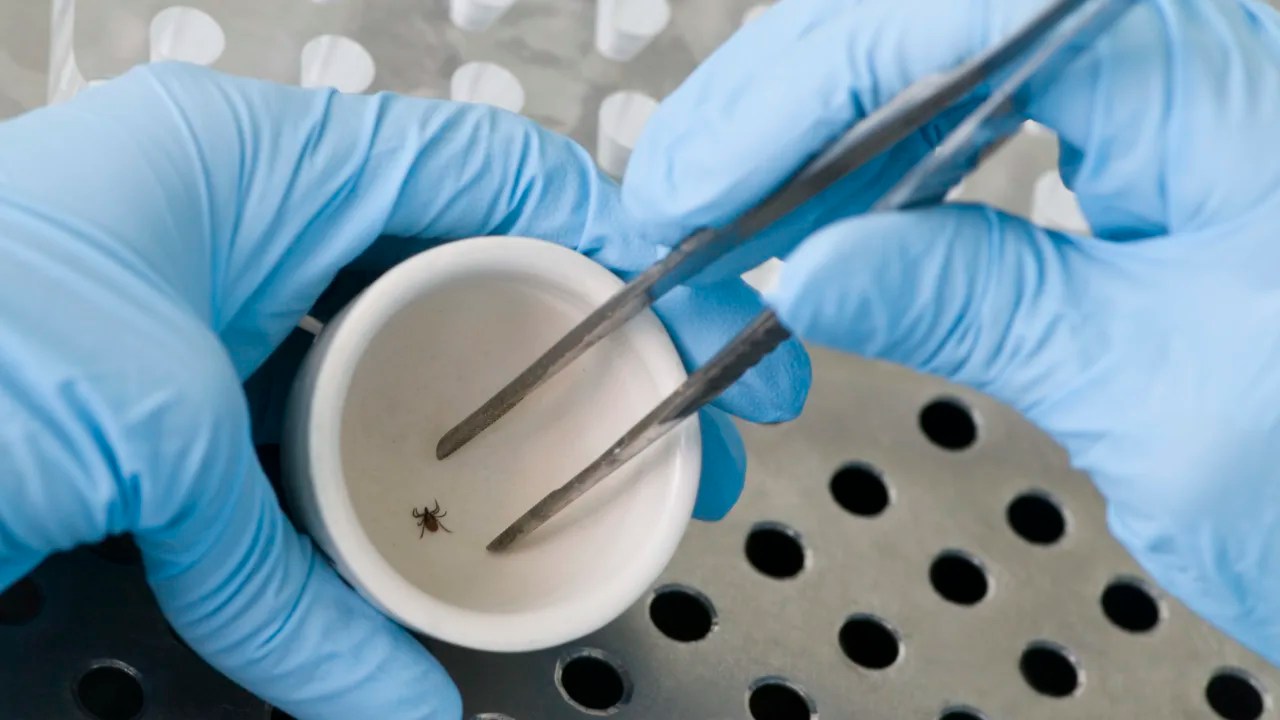
Research on ticks is crucial across multiple fields including public health, veterinary medicine, ecology, climate science, and biomedical research. Understanding tick behavior and their role in transmitting diseases like Lyme disease informs effective prevention and control strategies for human health, while also protecting livestock and pets in veterinary settings. Additionally, studying tick ecology and responses to environmental changes enhances our ability to predict shifts in their distribution and mitigate emerging vector-borne threats, and research into tick physiology contributes to the development of innovative control measures and treatments.
 Aziz Shakhzodov